FieldWash: A case study by New Nostalgia
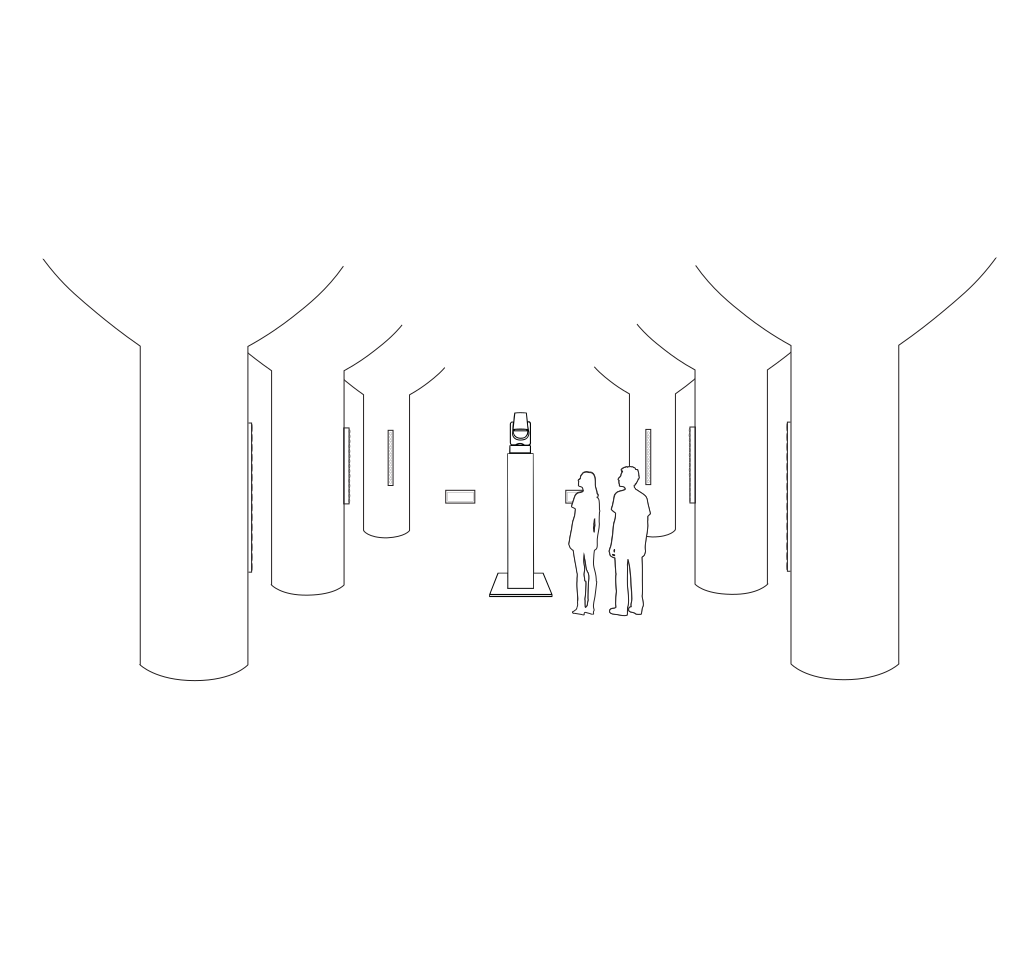
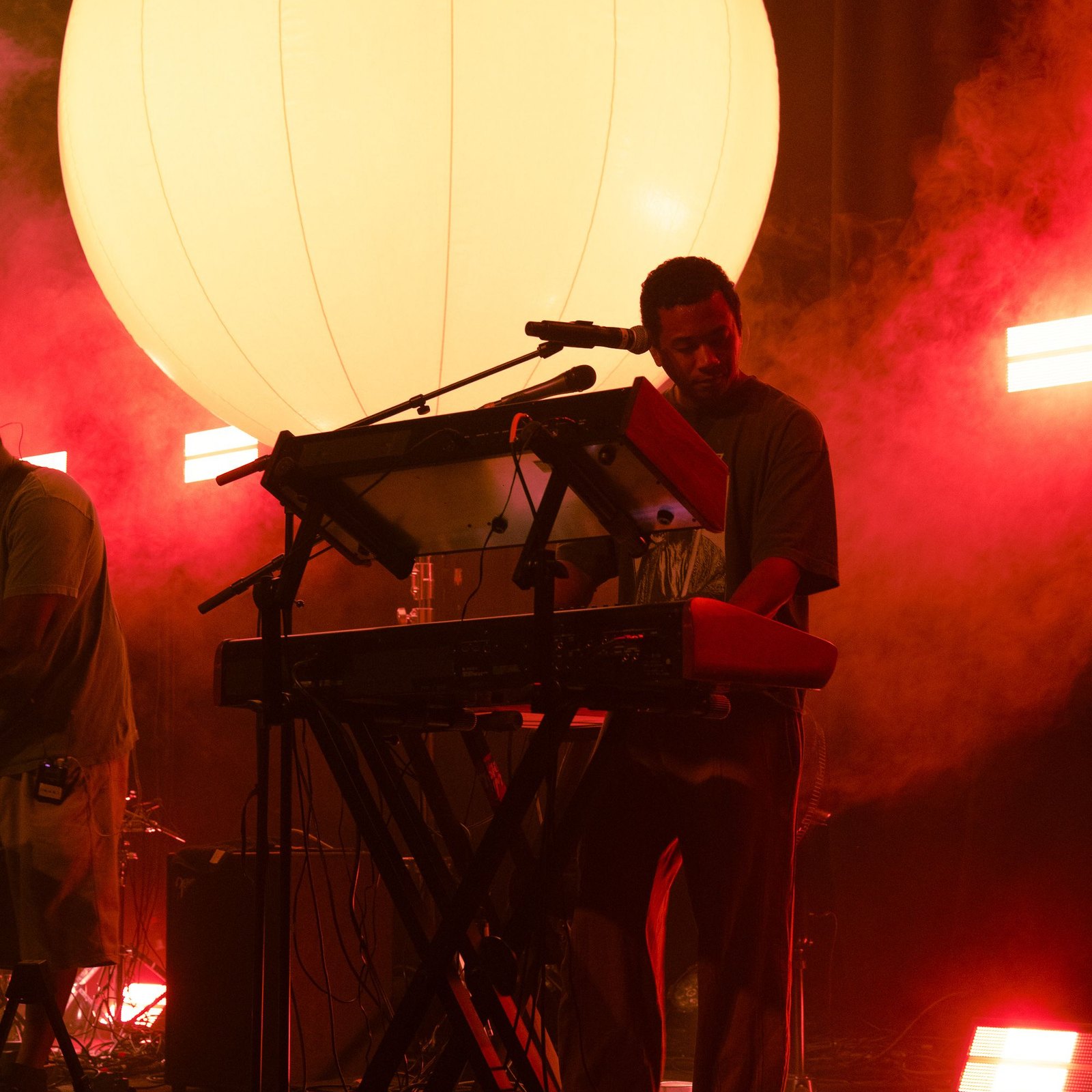
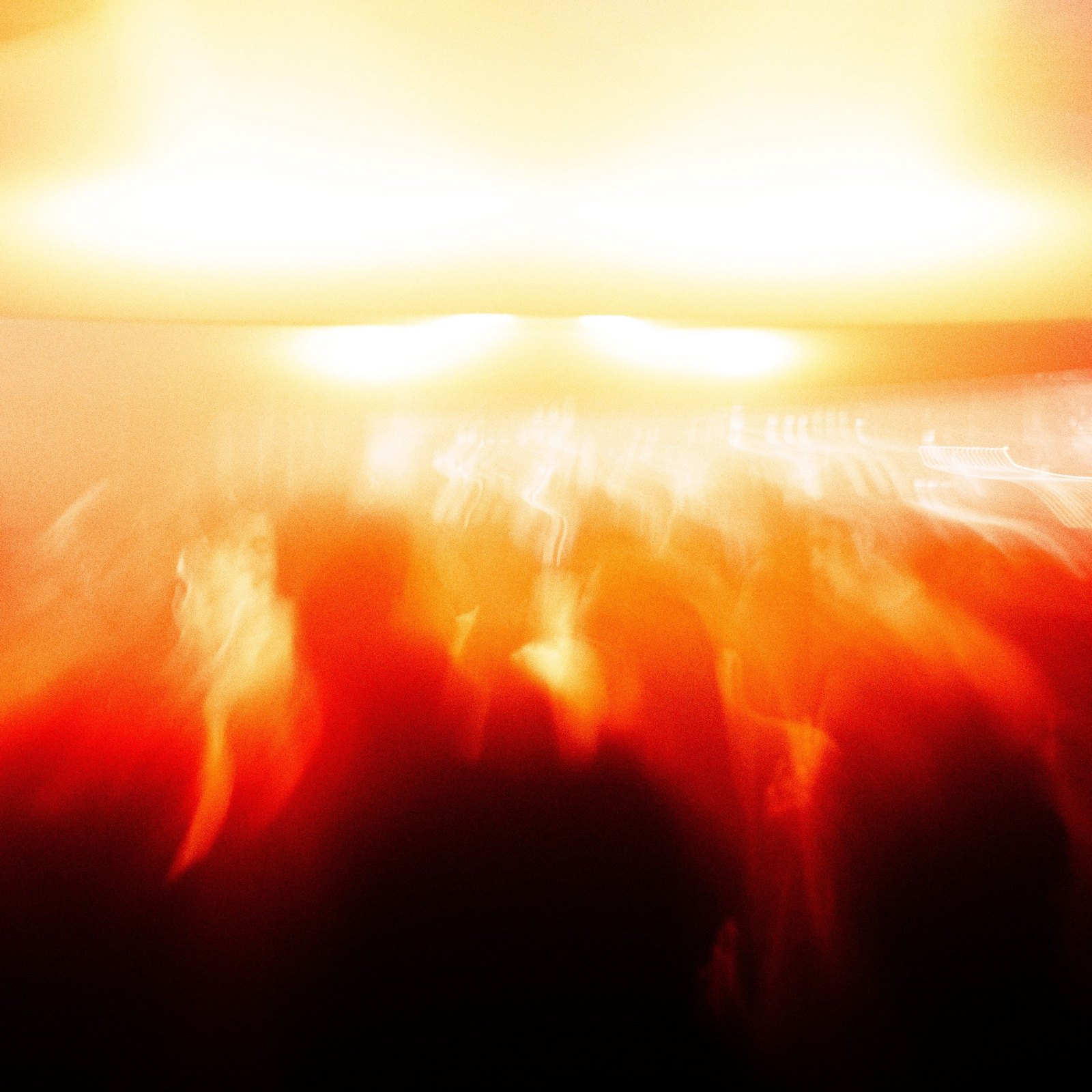
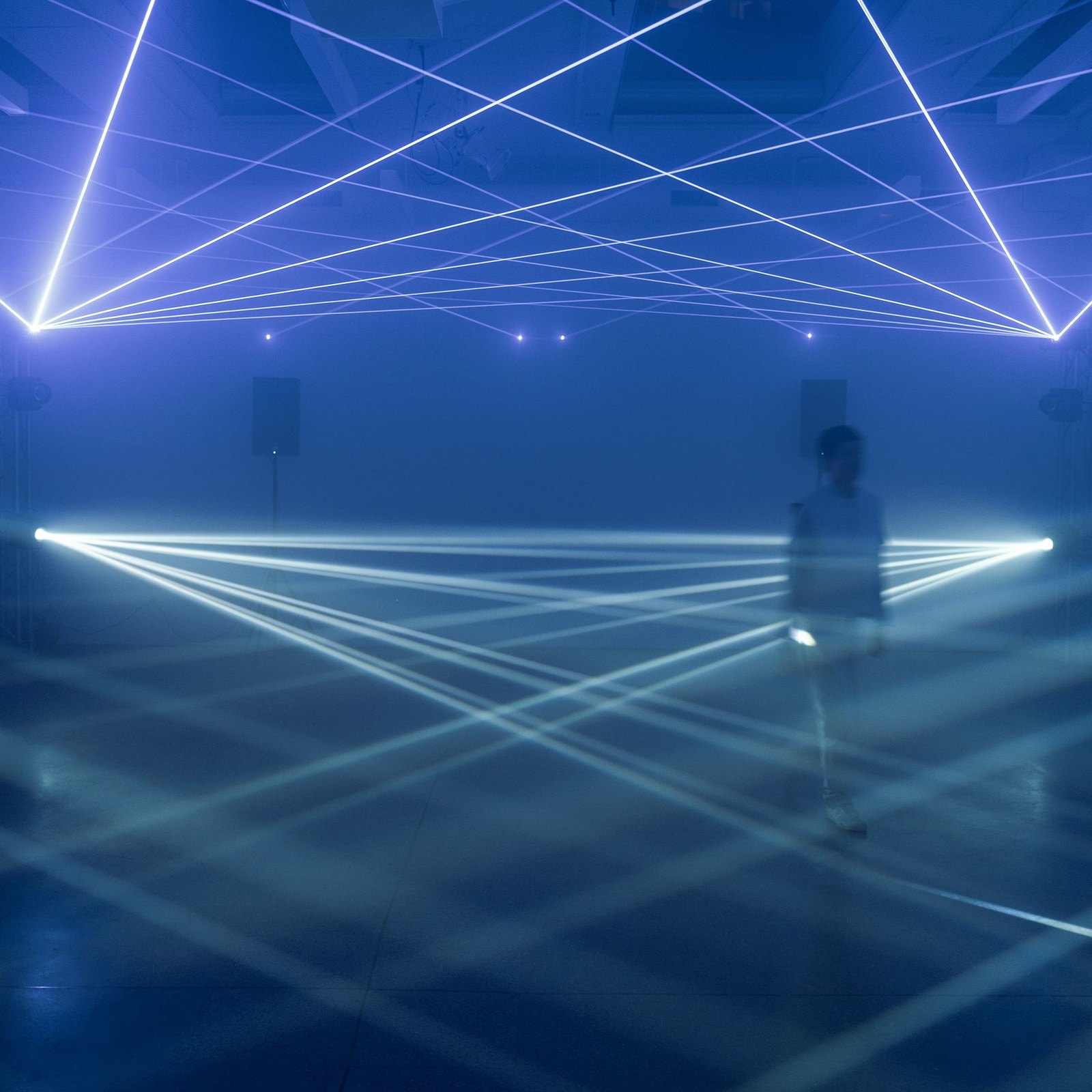
FieldWash was premiered at Parameter 2026—an independent techno, bass, and experimental electronic music festival held across multiple San Francisco locations May 14–17. The festival’s Friday and Saturday nights took place at the landmark SVN West venue, featuring three stages of music and programming. New Nostalgia designed the stage, lighting, and atmospheric elements for the Garage, which featured a towering 10-foot sub wall from N/A Sound and Thought Society. FieldWash featured 12 stage panels around the outer perimeter, an inner ring of 6 battery strips attached to the columns, and a single Claypaky Sharpy moving head at the center, creating an immersive, de-centered field state of strobes and color washes.
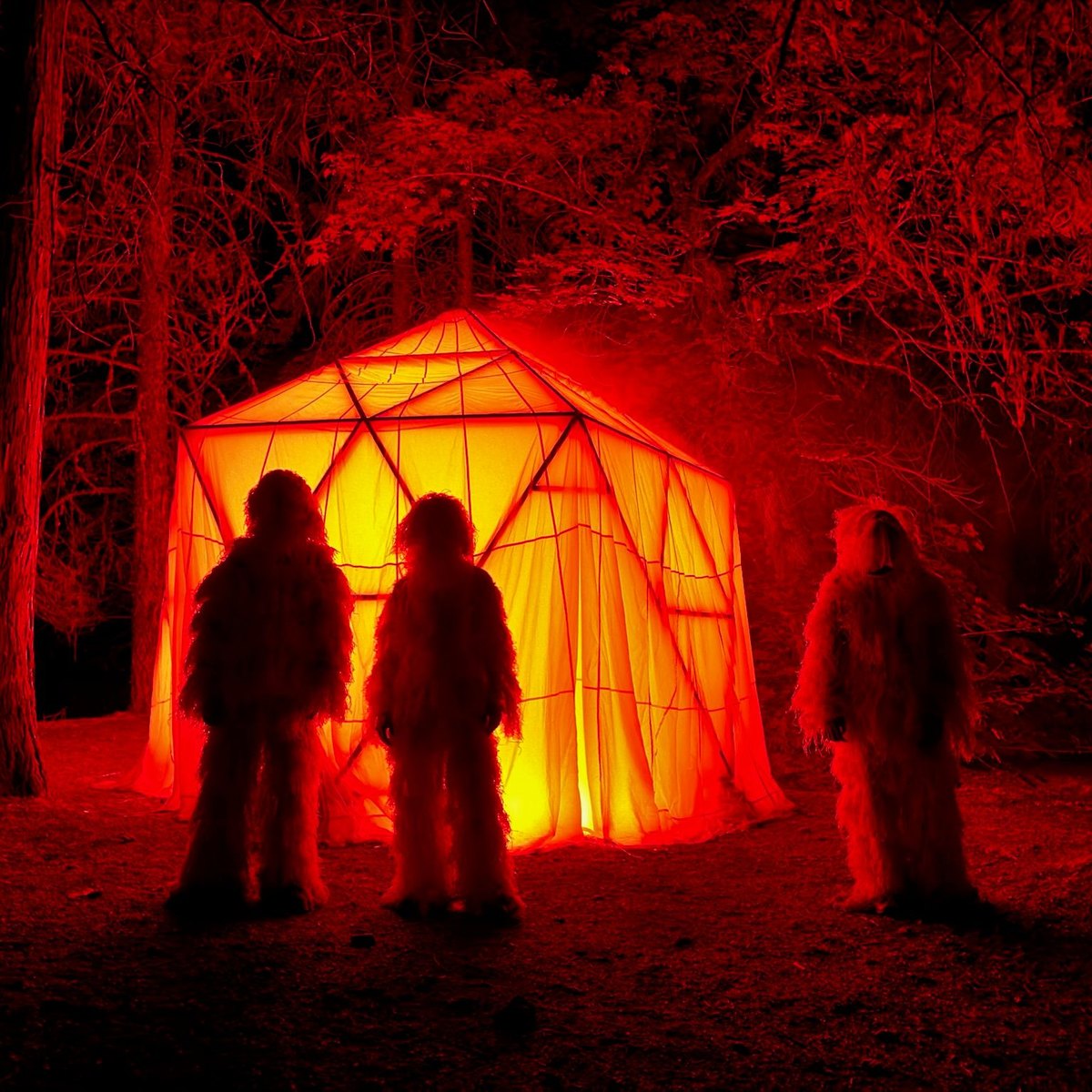
FieldWash salmon installation view
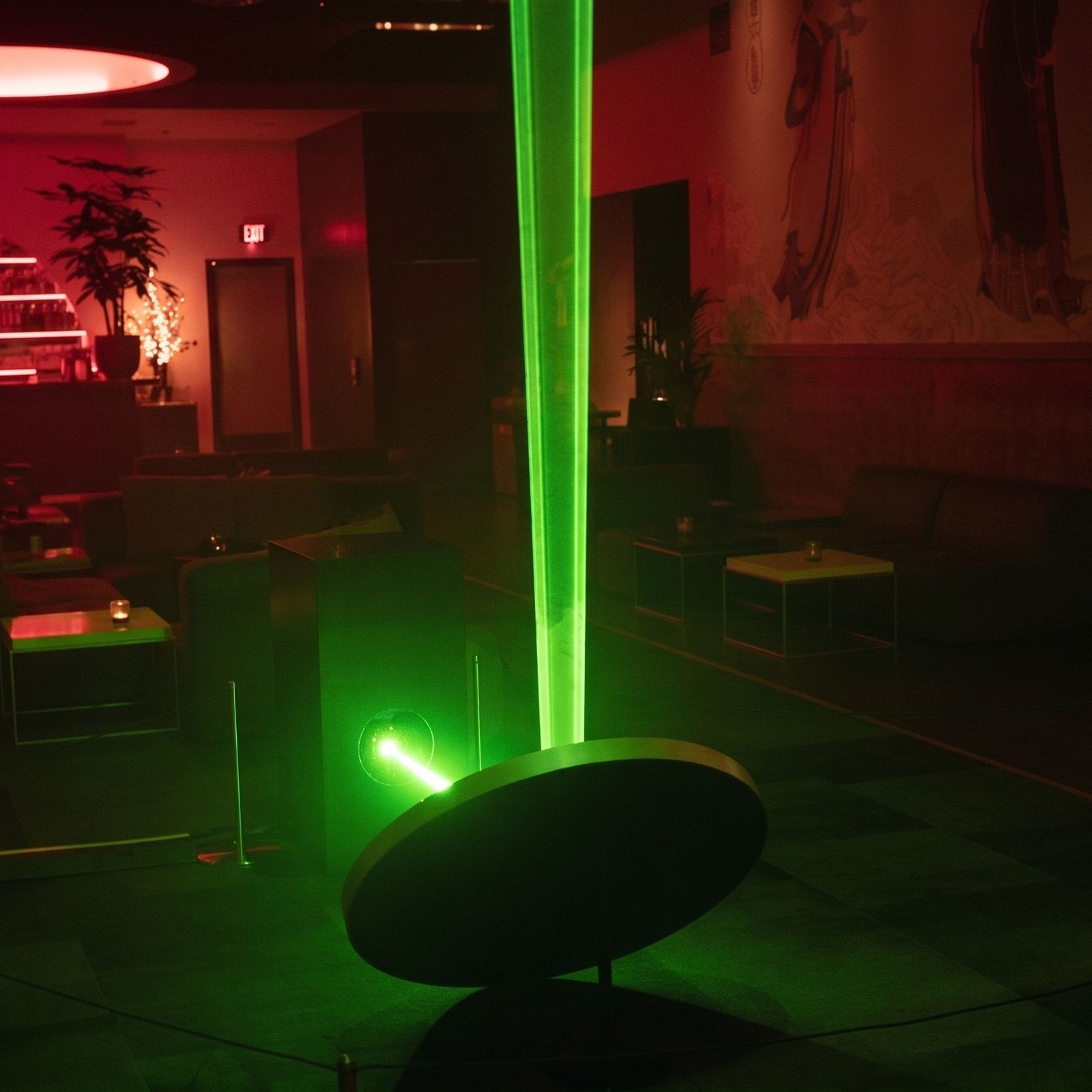
Claypaky sharpy shooting through crowded garage
Parameter attendees entering garage
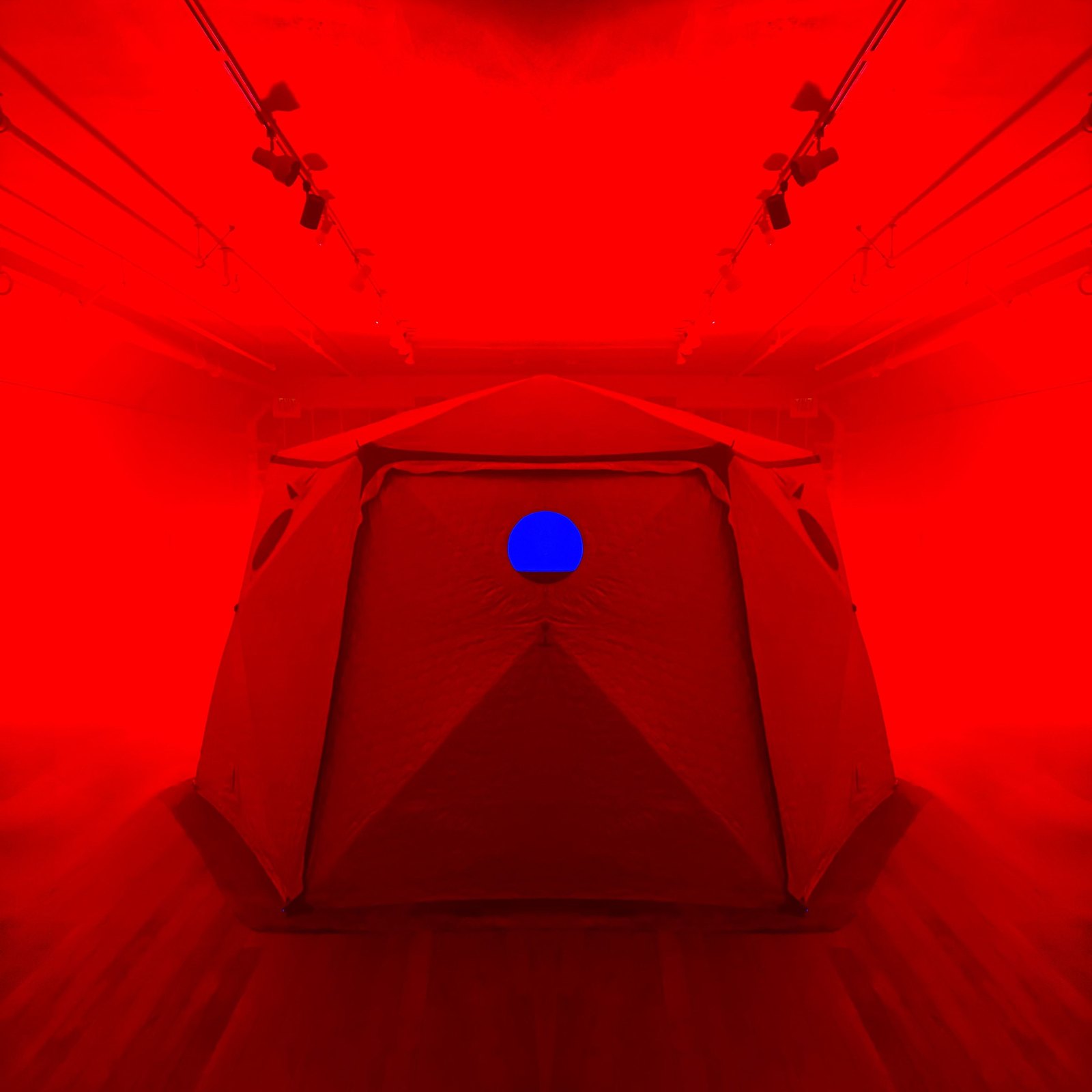
Empty red FieldWash installation view
Empty Garage with battery strips reflecting off columns
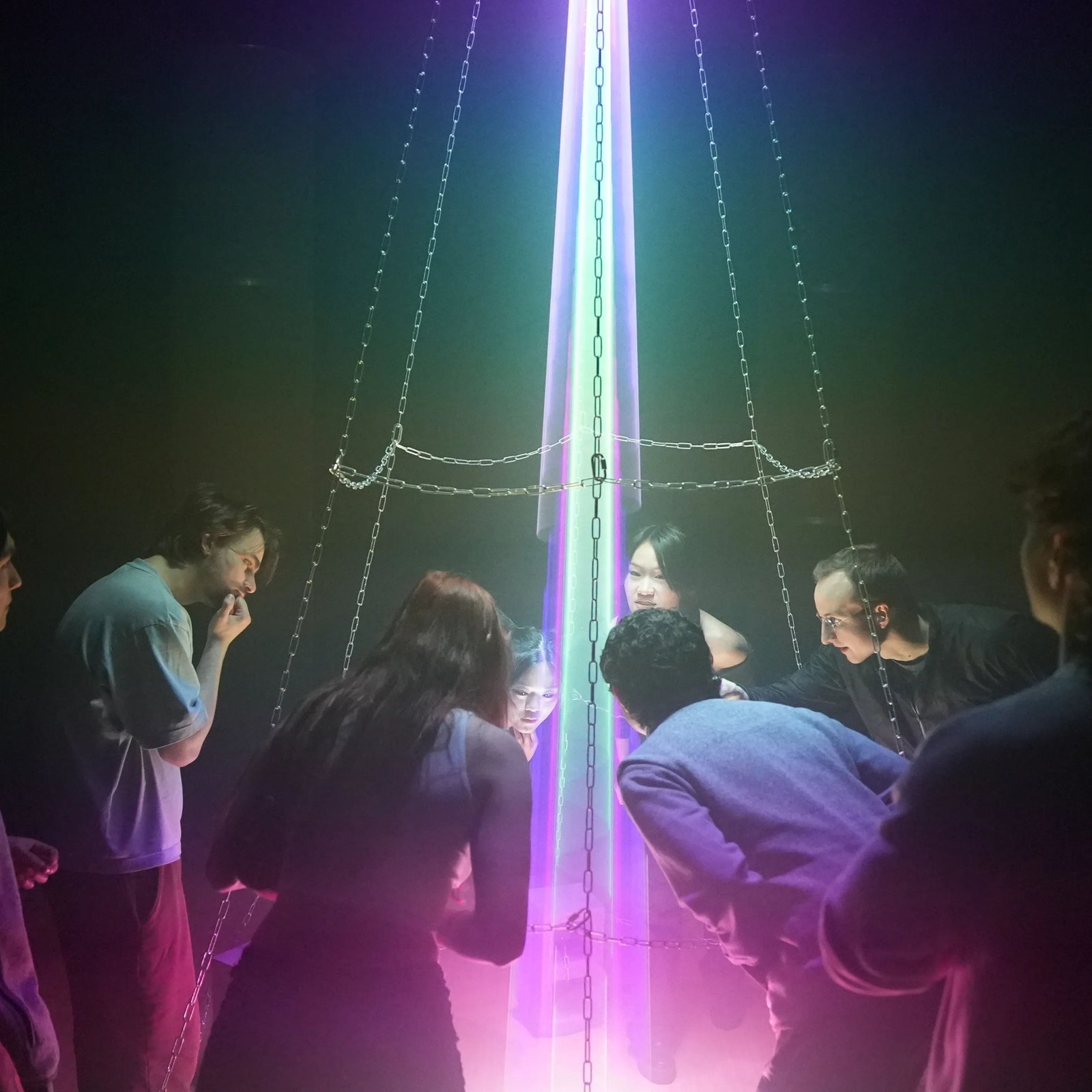
Attendees at Parameter Weekender 2026
Flyer for Parameter Weekender 2026
Graphic Brian Aviles
Introduction
With a growing mono-algorithm hive mind, we’re increasingly sharing all the same references—everyone pulling from the same pot that’s dictating what we see based on the attention it demands. Our ideas are largely shaped by whatever’s going viral online—the design for FieldWash, was no different. A commonly passed around, algo-fueled reference is Jeremy Bentham’s panopticon prison—Temporary Pleasures’s danceopticon1 and other new-media installations often reference the mono-guard tower in different formats.
While we predictably copied the concept in our design, the unpredicted novelty was the psychological effect from the placement of fixtures. As the name suggests, FieldWash excelled at creating quick, cutting, highly disorienting bursts of dispersed lights and strobe—an effect which plays into the idea of panopticism in a new, reactionary way.
Foucault analysis of panopticism describes how the feeling of being watched forces you to act like you’re being watched—whether or not it’s truly happening2. We’ve internalized this watcher so deeply that we subconsciously regulate our own experiences while they’re happening. Our preferences, our sense of what’s worth doing, even what feels real, are shaped by the thought of who’s watching, of being filmed—even when no one is. In this self-regulation, we rid ourselves of moments of truly being present.
Strobes, dense fog, and shadows are meant to disrupt our continuum of observation. It’s not enough to delete Instagram or put away your phone to escape the feeling of being watched. To Foucault, we’re ultimately the ones watching ourselves. Our FieldWash design made watching itself physically impossible—there’s nothing to see, nothing to surveil. There’s no point checking a map of where your friends are when you yourself can’t see two feet ahead.
1. Genesis
Dubbed “‘the rave cave’, ‘the sweat box’, ‘the garage’” by partygoers—the space took on a dim, club-like atmosphere. In contrast to the colossal 30-foot ballroom, the garage was a low-ceiling, concrete cavern, its large structural beams evenly dividing the room.
The garage, originally a car dealership parking lot, came with challenging constraints beyond its irregular shape. We were unable to drill or mount fixtures because of the concrete façade; there was no room to hang anything above people’s heads, and no organic orientation for the stage.
We played into the constraints highlighting the architecture to create something that felt shadowy, minimal, and omnidirectional.
2. In Praise of Shadows
Throughout the weekend, attendees commented on how looking up became its own visual feature with a swirling noir of shadows and figures cast on the ceiling.
We used floor panels around the perimeter to light the edges of the room and let the center go dark. The columns, with ratchet-strapped battery strips affixed to them, became shadow-casters; the room’s shape revealed itself in the negative space between them.
In researching the significance of shadows in design, Claude suggested Jun’ichirō Tanizaki’s seminal 1933 Japanese aesthetics essay. It spoke of a space’s character is managed through how it controls shade, “beauty is created by the shadows a structure casts, not the structure itself”. A role that western design, with its instinct to illuminate everything, had forgotten3. While a thought-provoking suggestion from Claude, yet another example of mindlessly vomiting out a repeated reference point.
Our idea for lighting the columns came from 2hollis’s Flash music video directed by Noah Dillon which featured a near carbon-copy replica of the SVN garage. As soon as we saw the video—which has gone extremely viral, highly referenced—we let it dictate our design.
It’s probably worth noting that Tanizaki, a proponent of stillness and quiet, would likely be turning in his grave to find his ethos cited and his practice applied to a strobing sweat box blasting DnB till 7AM.
3. Parameter’s Disco Ball
For fifty years and counting, the disco ball has been the de facto lighting element for distributing light evenly across a dancefloor. As it turns slowly, it creates a de-centered, even presence.
But the disco ball belongs to disco—a warm, four-on-the-floor, Theo Parrish kinda night. What was the symbol for a newer, more frenetic sonic environment? Could you imagine a disco ball spinning slowly to Clark’s leftfield alien sounds, or upsammy’s hammering jungle? In place of the ball, we hung a single Claypaky Sharpy Ultimo alone on a single truss, over the middle of the room. A single fixture ringed by bodies in the shape of Bentham’s panopticon watchtower.
The Sharpy, controlled and busked manually through our grandMA3 software, could sweep, strobe, and focus across the crowd in any number of unpredictable ways, echoing the sultry disco ball’s distributed light but in a newer, almost-nervous, coked-out way. The watcher and the watched are the same, after all.
4. Lowkey Uncomfortable
In combination, the three layers of fixtures—an outer ring of floor panels, an inner ring of battery strips mounted to the columns, and the central moving head produced dynamic lighting environments. Whether it was a chase of lights around the room, a phased tunnel of light through the columns, or the moving head throwing a directional beam, the room stayed de-centered and disorienting.
A color wash, strobe, or barrage of flashes could come from any direction, oftentimes from behind you.
Our design was certainly divisive. After the first night, we heard a horseshoe of feedback—people either loved it (“we’re absolutely getting down”) or couldn’t bear to stay more than a few minutes. A member of Parameter’s Discord community said, “wasn’t a fan of the lighting or atmosphere at all.”—while another said “I’m always so down to get my head messed up by New Nostalgia”.
While good art is polarizing, a dancefloor shouldn’t carry the same level of exclusivity. After softening the programming and adding fades to the ends of sequences, we were able to cut back on the harsh single-field color cuts and build a more approachable feel on night two.
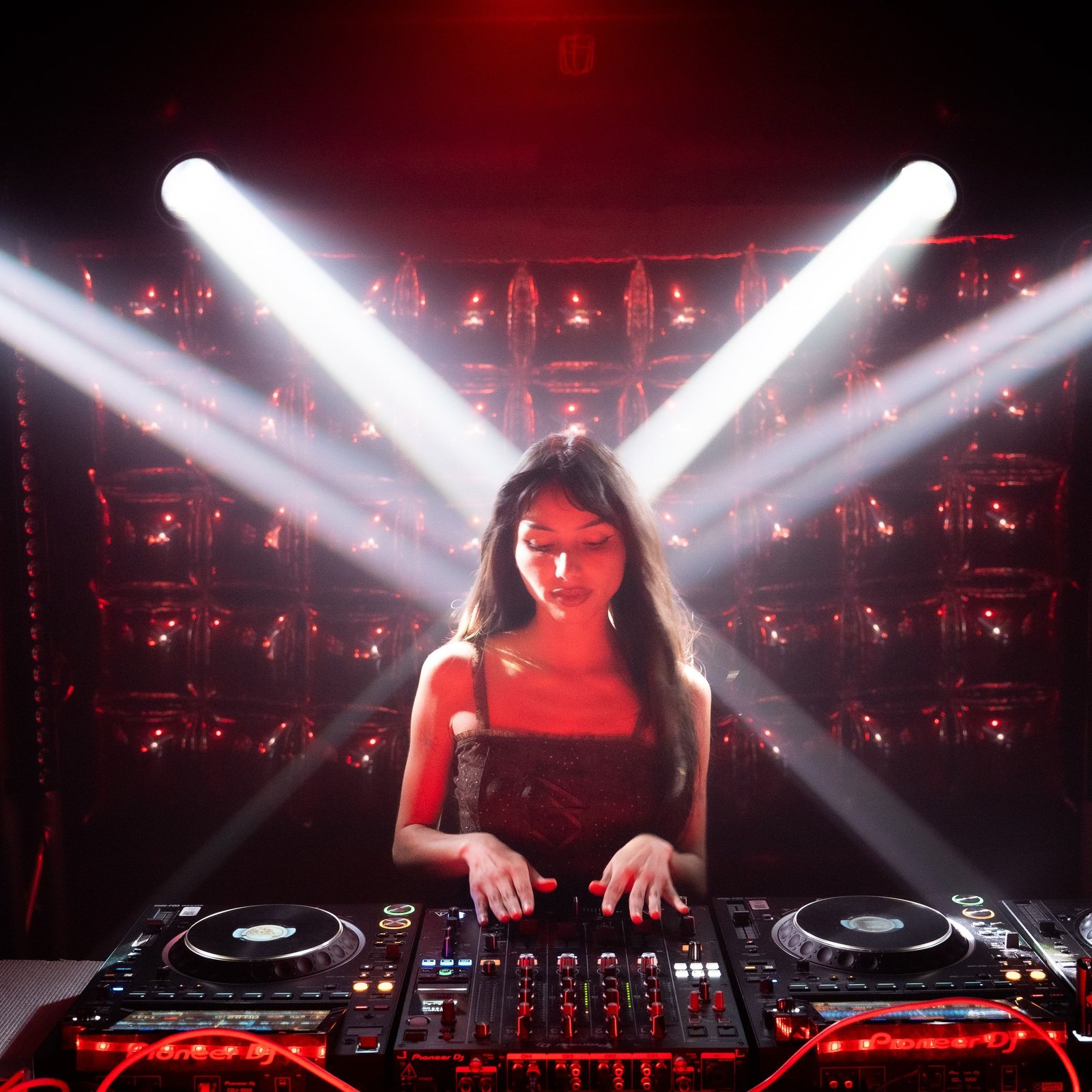
A note on comfortability—we also designed the DJ booth lighting which featured an incandescent red bulb. Incandescent bulbs emit a continuous frequency spectrum of light which includes near infrared wavelengths, mimicking natural sunlight. We like to believe that these little boosts of cellular function—especially late at night—helped the artists feel more comfortable and in tune with themselves.
5. Panopticism
Despite falling victim to leveraging the same recycled references—the panopticon, 2hollis, Tanazaki—the novelty, which was entirely unintended—comes in the synthesis. The combination of lighting effects, the amazing roster of musicians, and the openness and respect of the Parameter’s attendees, created something new entirely.
The color washes and strobes produced an immersive field state that, for brief moments, dissolved the self. FieldWash forced us to stop guarding—stop watching—stop referencing, temporarily.
None of this got abolished in a garage over two nights, obviously. But for those few hours you couldn’t be found, and neither could anyone else—and that was the point.
And perhaps feeling uncomfortable to some degree is good—when’s the last time you forcibly stunned your perception, making you question your sense of self? Many people, we suspect, would say the SVN garage during the Parameter Weekender 2026.
Technical Overview
FieldWash was built as a distributed lighting system for an irregular room. The goal was to create an omni-directional environment that did not rely on a single front-facing stage image.
1. Fixture Layout
Twelve Rockville Stage Panel 864 fixtures were placed around the perimeter of the room to create 360-degree strobe and wash coverage.
Six Rockville Battery Strip 24 fixtures were mounted vertically to the structural columns throughout the dance floor. Each strip was aimed inward, using the room’s existing architecture as part of the lighting design.
One Claypaky Sharpy Ultimo was mounted on a seven-foot standing truss near the center of the room. The fixture was used for slow pans, quick sweeps, and sporadic movement through the fog.
Two Martin Atomic 3000 DMX strobes were placed behind the DJ booth for high-impact flashes during peak moments.
Fog and haze units were placed in the corners of the room to fill the space and reveal the light in the low-ceiling environment.
2. Lighting Control
Lighting was controlled with grandMA3 onPC using a grandMA3 onPC 2 Port Node 2K PoE for DMX output.
This was our first project moving fully into grandMA3 as our primary lighting control system. The software gave us more control over timing, cue structure, fixture behavior, fades, and live playback than the systems we had been using previously.
A Teenage Engineering OP-XY was MIDI-mapped to grandMA3 for live triggering. This allowed the lighting to be played more like an instrument, with strobes, washes, movement, and intensity changes triggered in response to the room.
5. Gear Summary
Lighting12× Rockville Stage Panel 8646× Rockville Battery Strip 241× Claypaky Sharpy Ultimo2× Martin Atomic 3000 DMX
Atmospherics2× Chauvet Hurricane 1800 Fog1× Chauvet Hurricane Haze 4D Haze
Control1× grandMA3 onPC 2 Port Node1× Teenage Engineering OP-XY
Rigging1× 7ft Standing Truss
FieldWash installation view, San Francisco, CA, 2026
Citations
- 1 “The Danceopticon.” Temporary Pleasure, temporary-pleasure.com/. Accessed 17 June 2026.
- 2 Foucault, Michel. Discipline and Punish: The Birth of the Prison. Translated by Alan Sheridan, Vintage Books, 1995.
- 3 Tanizaki, Jun’ichirō. In Praise of Shadows. Translated by Thomas J. Harper and Edward G. Seidensticker, Leete’s Island Books, 1977.
Published by
- Group:
- New Nostalgia
- Editors:
- Aakash Malhotra, Brendan Luu
- Writers:
- Aakash Malhotra, Jordan Ponciano
- Graphic Design:
- Brendan Luu
- Printing:
- New Nostalgia, or you
Production by
- Executive Production:
- Nick Ottranado
- Lighting Technicians:
- Karla Limon
© 2026 by New Nostalgia
Created in San Francisco, CA, USA
All rights reserved
First edition, June 2026