Pandora’s Box: A case study by New Nostalgia
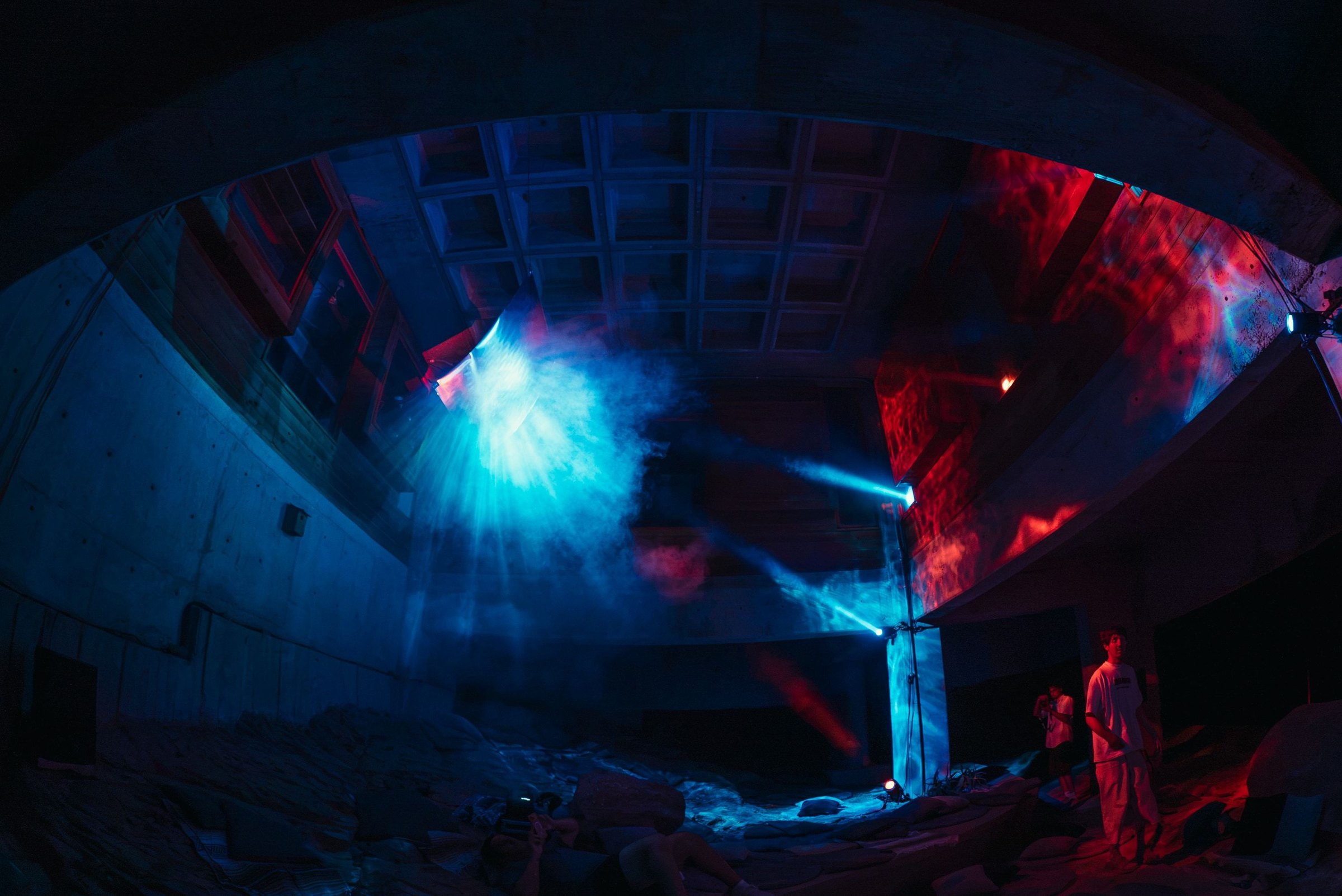
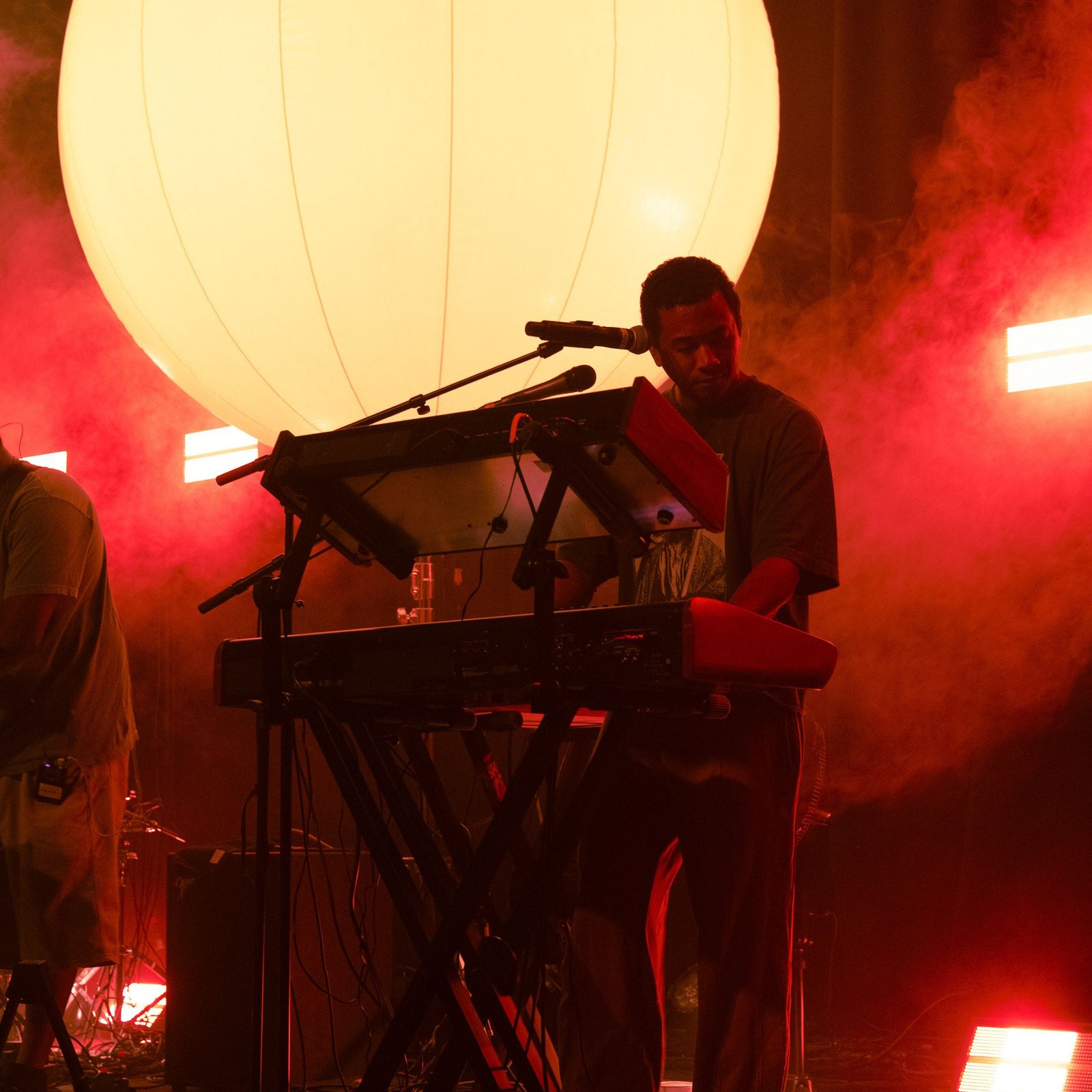
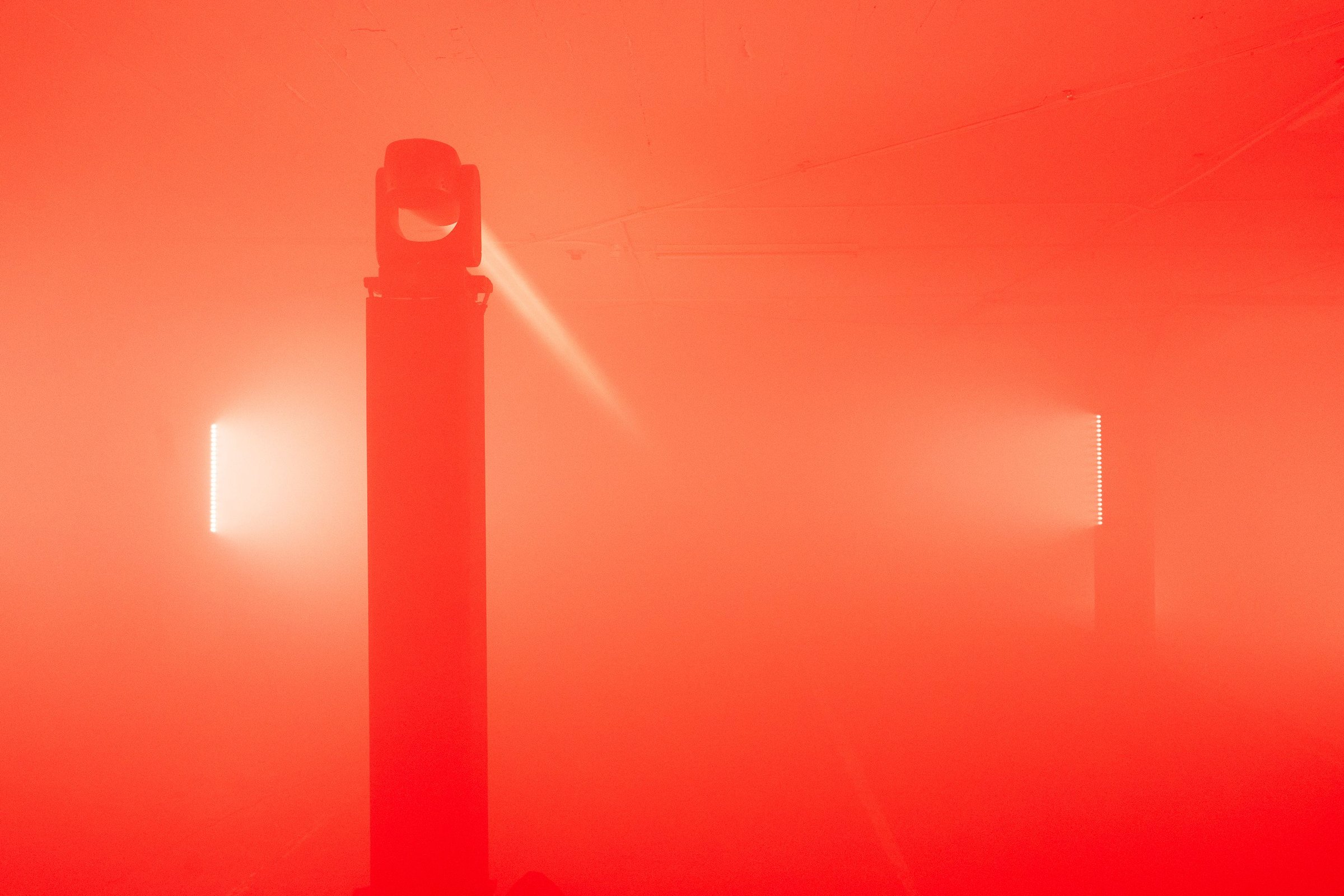
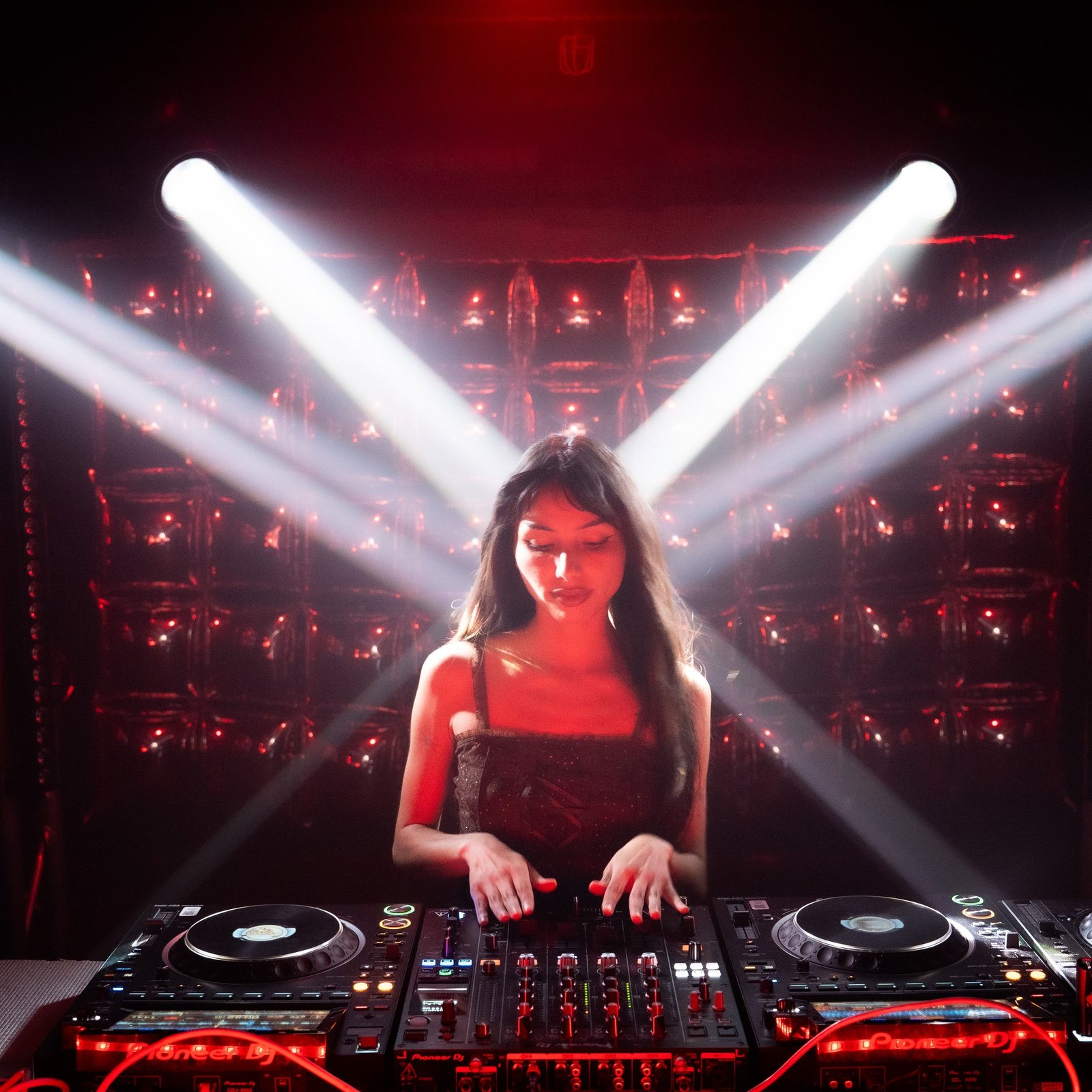
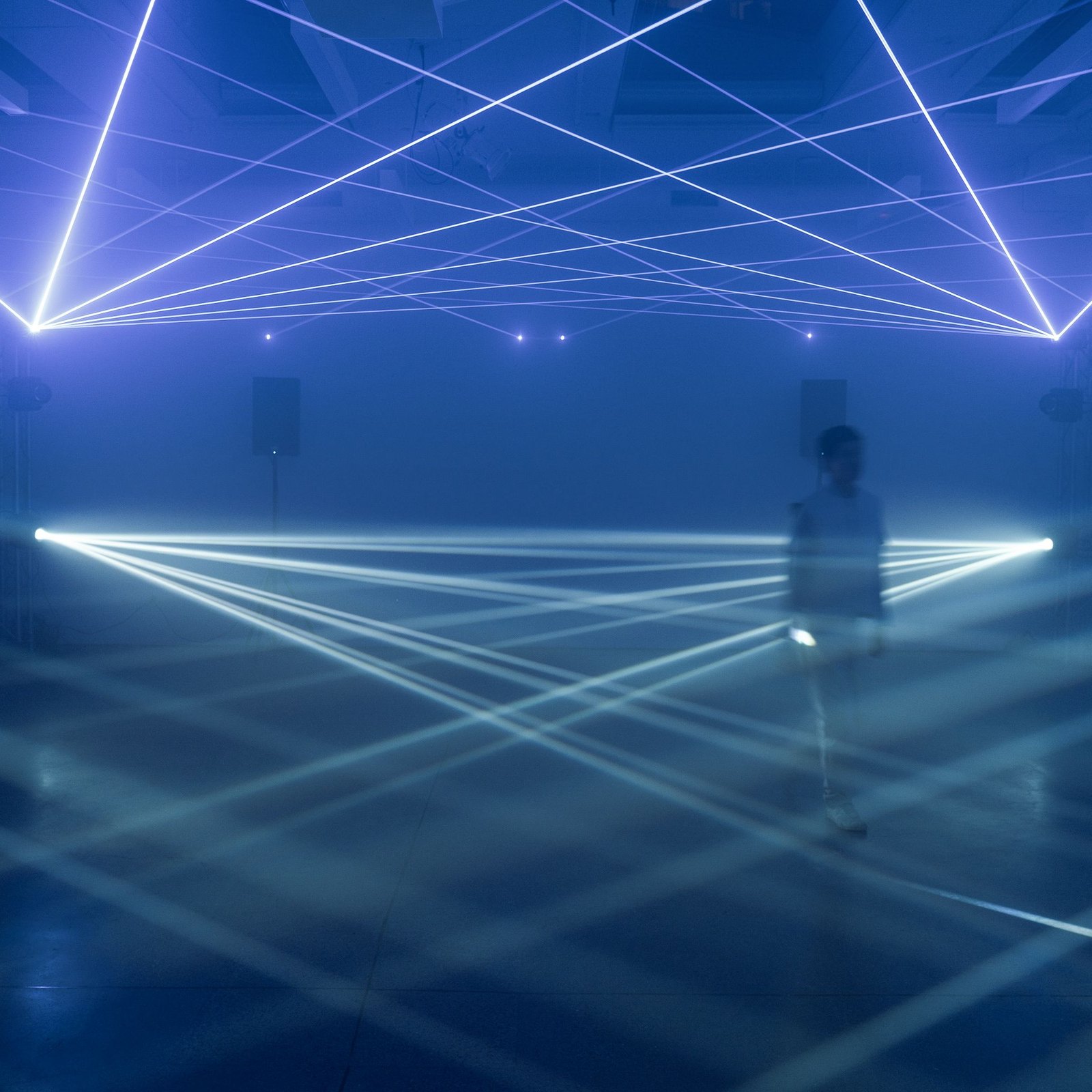
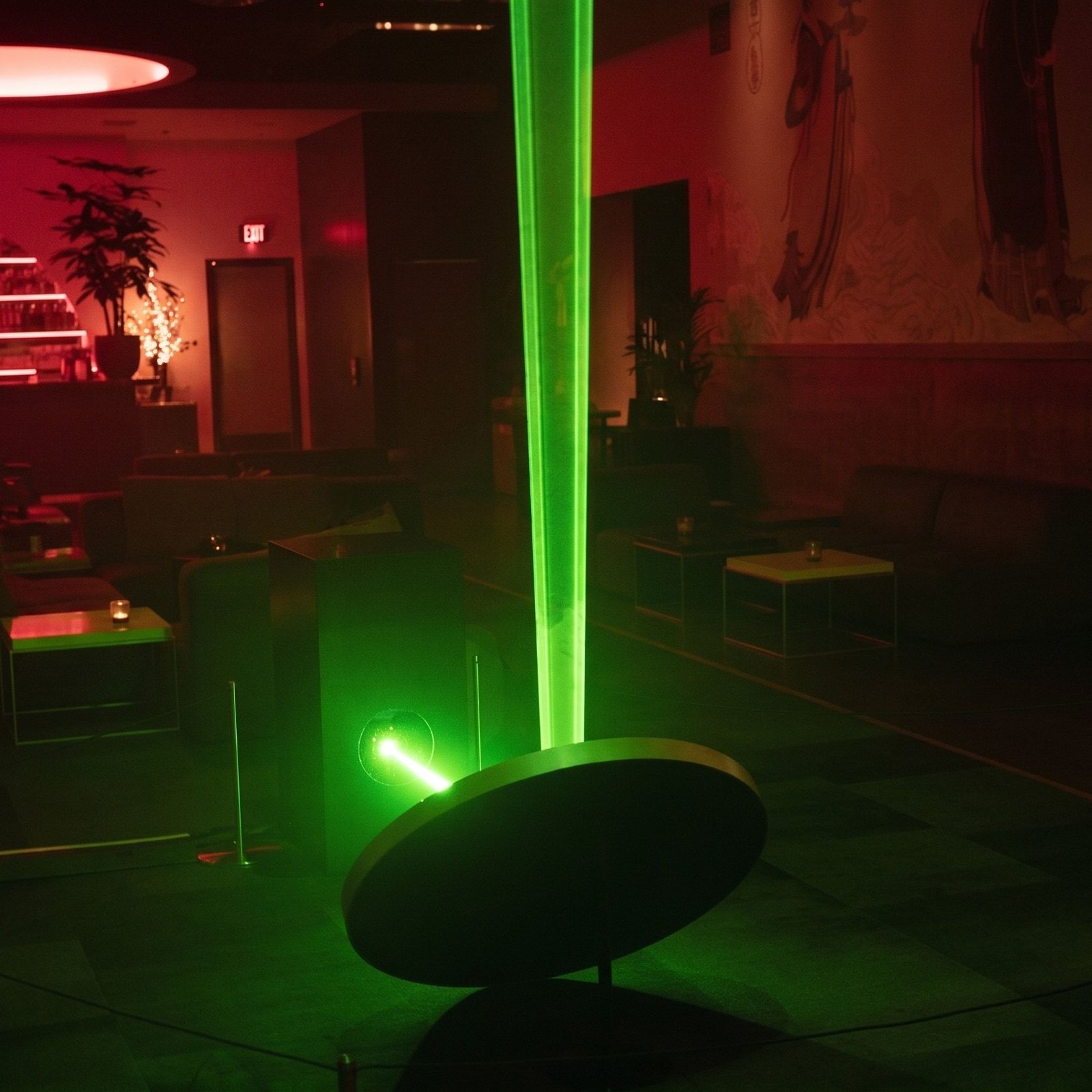
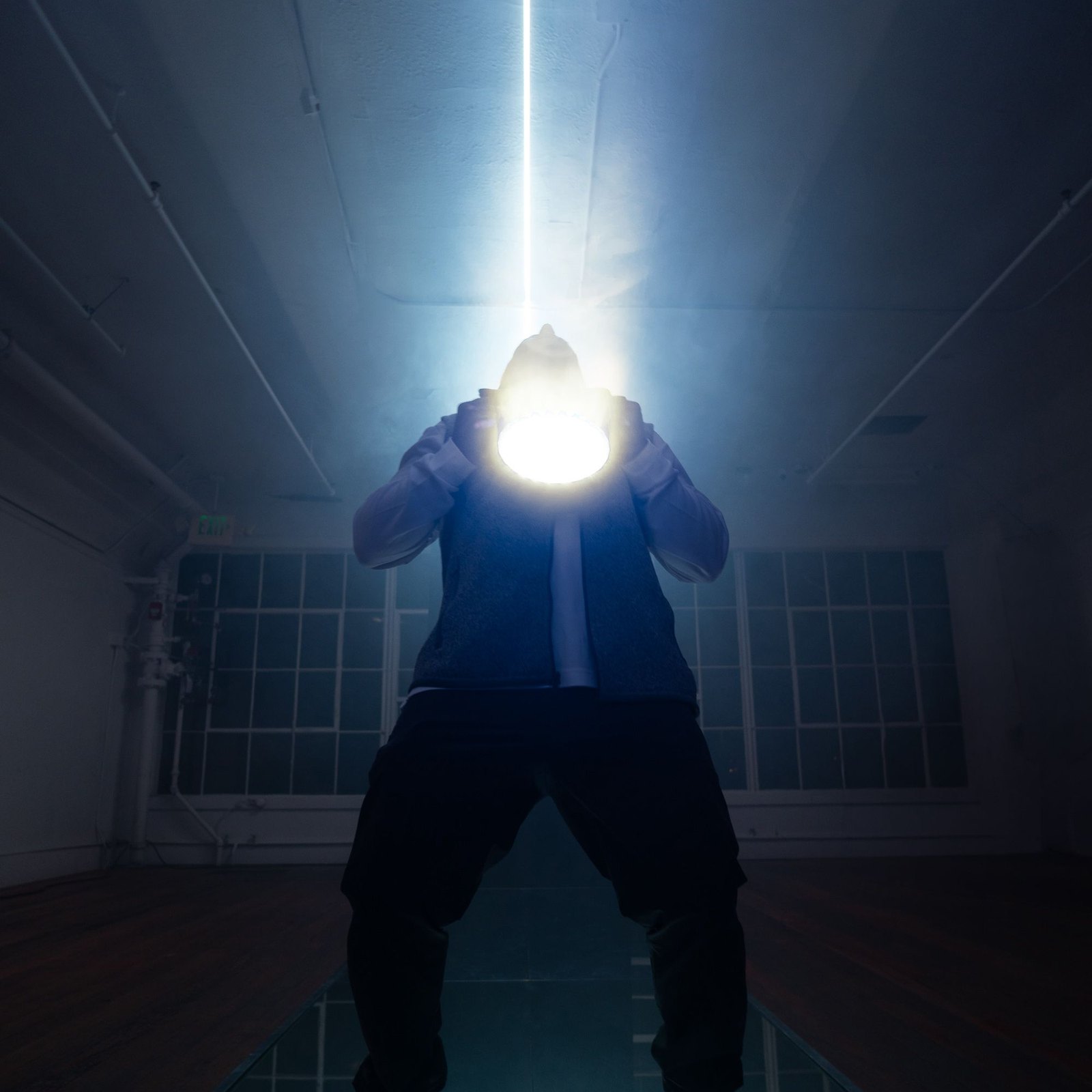
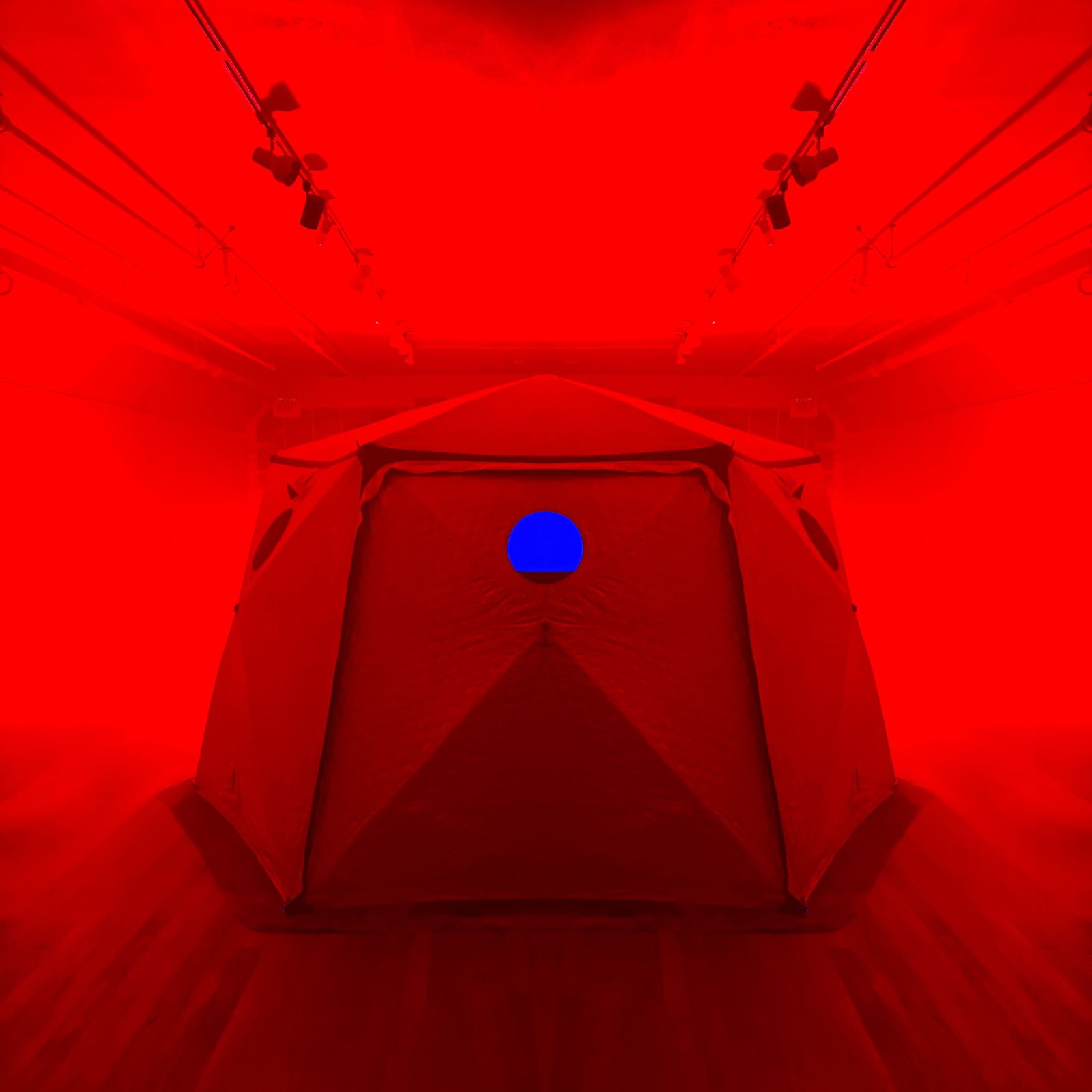
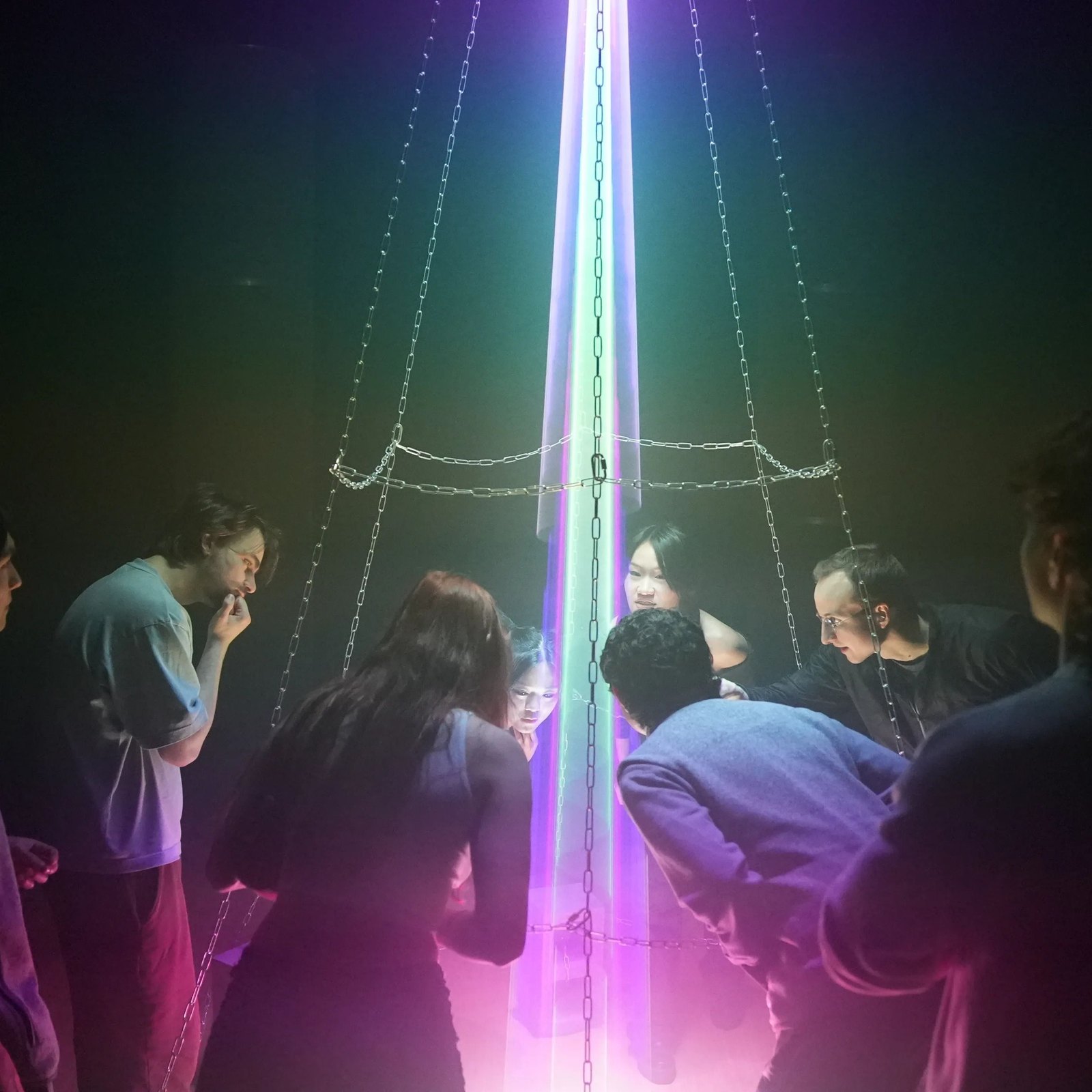
Pandora’s Box was a stage design produced for Polar Inertia’s show at Gray Area in San Francisco, cohosted by Parameter and Endzeit on November 7, 2026. Polar Inertia played live all night, from 9 p.m. to 2 a.m. Pandora’s Box was a freestanding cube in the middle of the dance floor, with strobes and LED strips mounted along its base and edges. Each face was draped in sheer, slit organza that let the textured light refract outward. A fog machine inside the cube sent fog spilling over the top. Together, the light and fog produced shifting illusions of shadow and pattern: a blurred space between presence and disappearance.
Pandora’s Box installation view, San Francisco, CA, 2026
Photo Terry Koh
Organza light refractions, crowd
Photo Aakash Malhotra
Light shadow casting on organza, crowd
Photo Aakash Malhotra
Polar Inertia translucent through organza fabric, crowd
Photo Aakash Malhotra
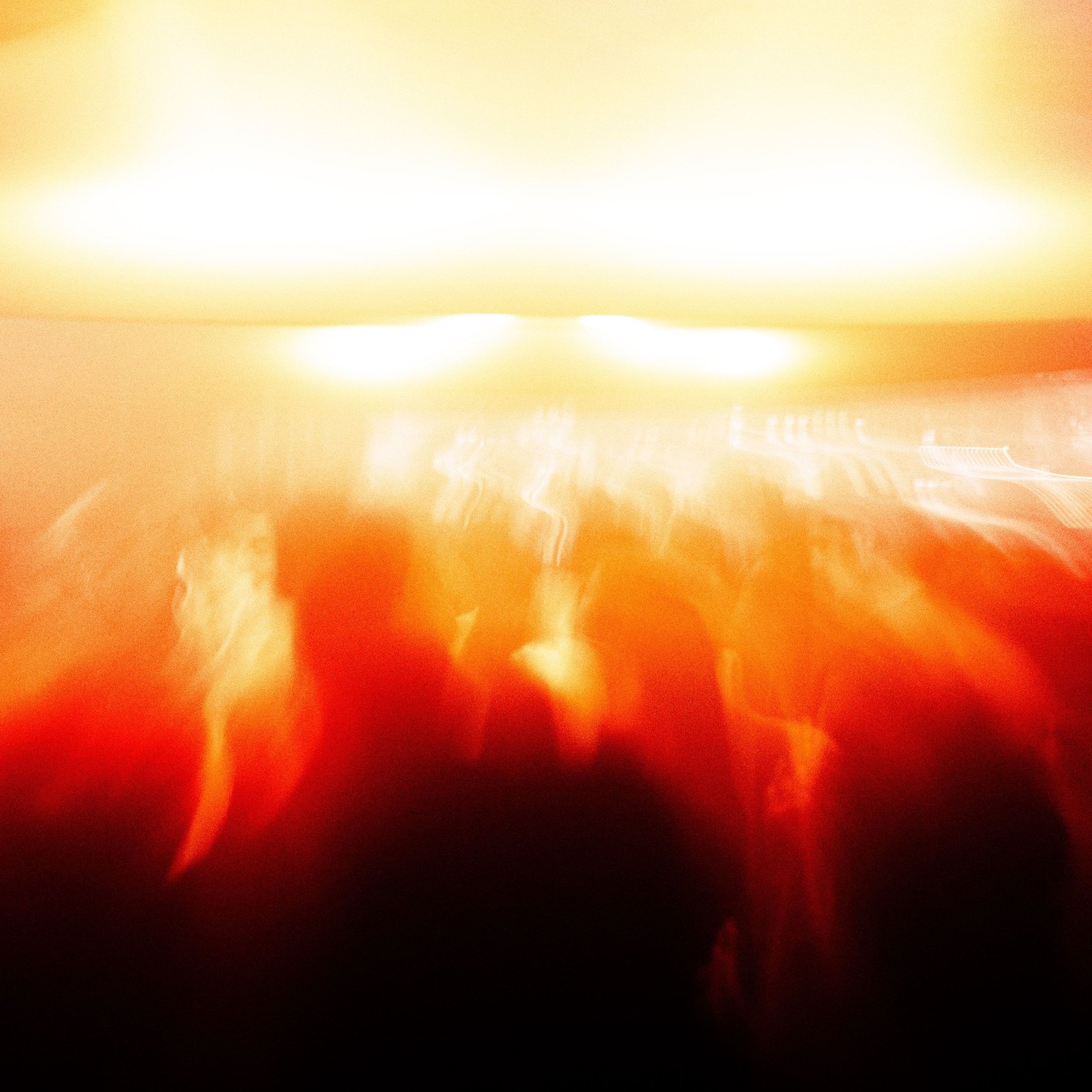
Crowd dancing in front of organza, white strobe
Photo Terry Koh
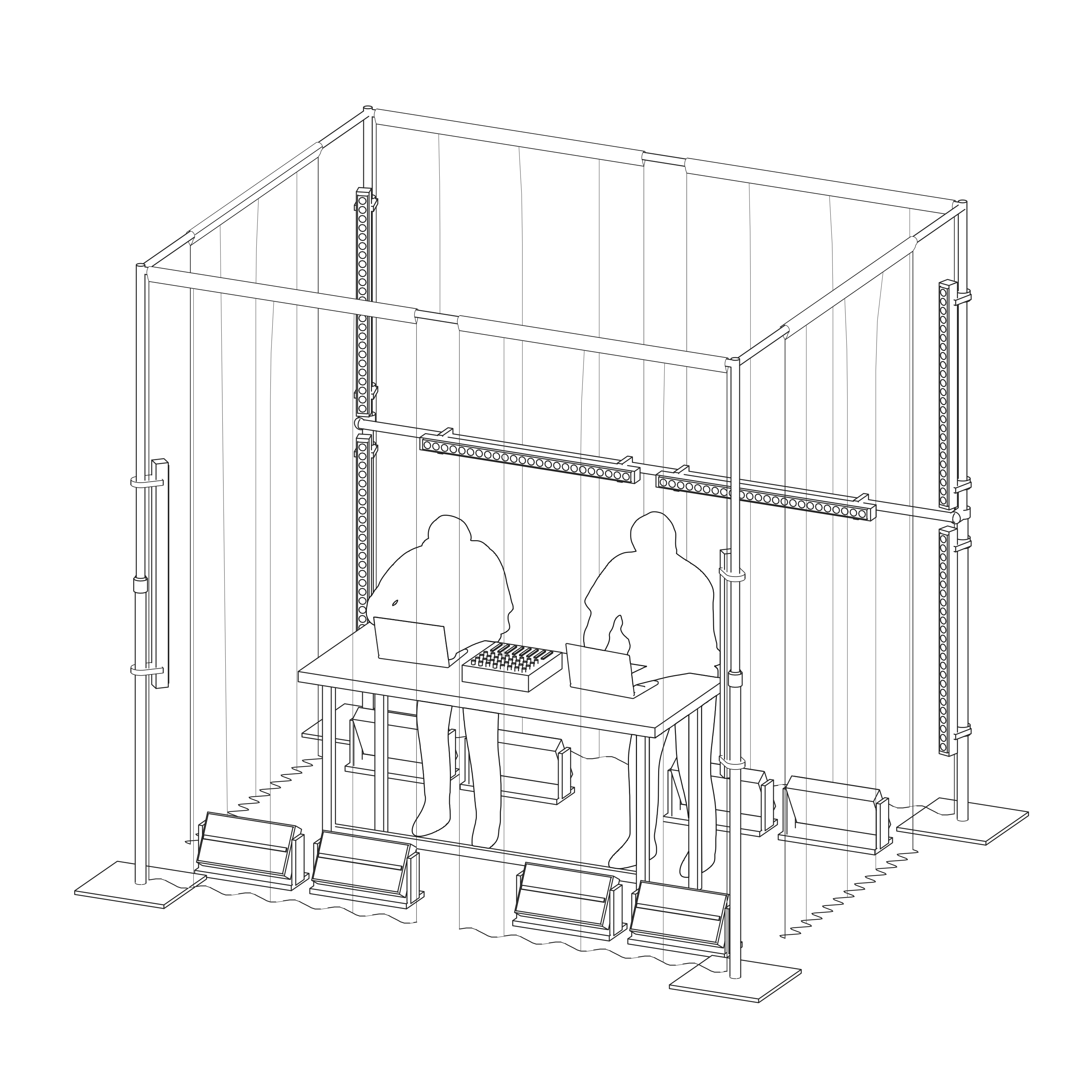
Pandora’s Box setup installation view
Photo Brendan Luu
Polar Inertia website graphic
Graphic Polar Inertia
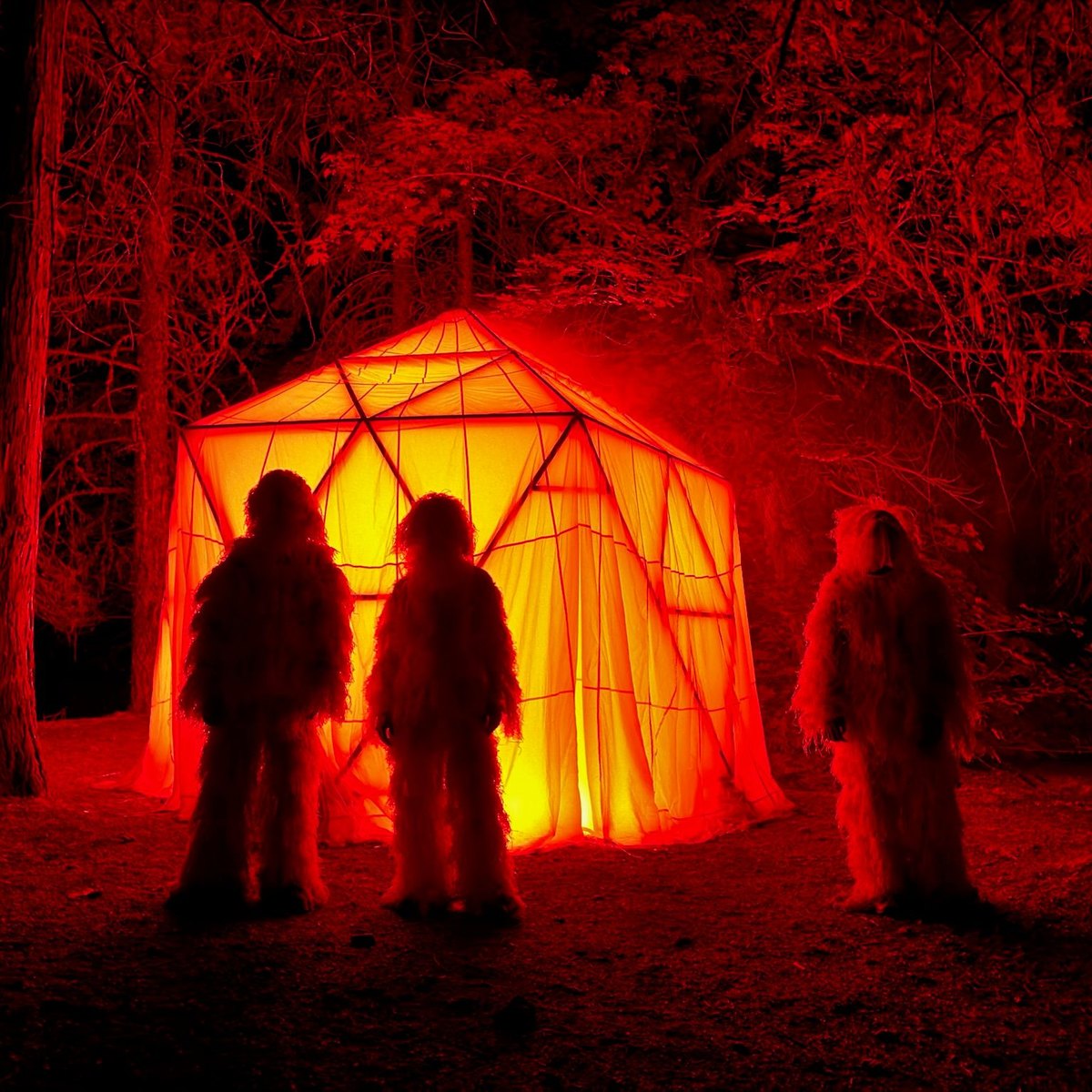
“To be no one we have to be everywhere and nowhere.”
1. Playfulness vs. Seriousness
Techno is a funny place. It exists in a paradox of being a place to play and a place to take absolutely seriously.
Spattered in the margins of Polar Inertia’s website are quotes that read:
THERE WAS NO TURNING BACK
WE ARE NO ONE BECAUSE WE WANT TO BE NO ONE. AND TO BE NO ONE WE HAVE TO BE EVERYWHERE AND NOWHERE
Polar Inertia exists in the blurred space between presence and disappearance.
Their website is obscured by black-and-white speckled photos of barren polar landscapes and beams of white light expanding across different venues. Their music is described as all-encompassing. It spans different mediums and follows the story of the “Polar Children” as they navigate a challenging sci-fi fantasy world struck by snowstorms and filled with vast emptiness.
Polar Inertia explores many contradictions, but the one that resonated most was that in the midst of hopelessness and obscurity, there is a beauty found in childlike wonder, a desperate connection to the playfulness of the human spirit, and a curiosity about the unknown.
2. What You Can and Cannot See
Combing through quotes describing Polar Inertia’s work, the story of Pandora’s Box rang through.
Pandora was the first woman crafted by the Greek gods. When she was placed in the human world, Zeus gave her a box with a single instruction: do not open it. Having no idea what was inside, she was overwhelmed by curiosity.
Her curiosity captures the space Polar Inertia points to, somewhere between existence and nonexistence. Will we look inside? And what comes of it?
In their tour document, Polar Inertia outlines the parameters for the show (a 360-degree stage, strictly bright white light, and dense fog), stating:
As always we explore extreme density, but this time with a stronger emphasis on dualism in a performance that alternates or/and corporeality and spirality until it reaches the Inertial Point.
A blurred space between containment and release.
We wanted to capture the box splitting open: light pushing outward, barely contained, yet at the same time calling you in and inviting you to look inside.
In the original sketches, the box splits open, light pushes through the gaps between its unattached corners, and each side is obscured by translucent curtains. In the final design, we cut slits into the curtains and joined all the corners to form a cube. You could still peek inside, while stage panels and Martin Atomic strobes faced outward to suggest bright light spilling out of the box.
3. Softness vs. Structure
When Pandora finally does peek inside the box, ignoring the gods’ warning, she unleashes upon the world evil, misery, and humanity’s knowledge of its own mortality.
But it’s not a tragic story. Despite the rigid truth of death and finality, there is a fundamental brightness in humanity. People go on living with this truth, choosing to create, experiment, and connect.
In this project, that softness took the form of lush, flowing curtains that morphed the light into glimmers. This phase was also where much of the project’s excitement lay. Most of the experimentation came down to choosing the curtain material and deciding how to place the light against it. We tested a few mesh fabrics but took a last-minute chance on a shiny organza.
The organza’s sheen and diffusion split the light into a more ethereal landscape. And by mounting the light strips on the structure facing inward, we captured not only more of that diffusion but shadows as well. These outlines shifted across the fabric, flowing with the trance of the music, a sort of wink at the artists’ anonymity.
Technical Overview
1. Scene & Rigging
The enclosure measured 10′ wide × 8′ deep × 9′ high. Freestanding uprights and crossbars supported the curtains, with aluminum pipe used in parts of the frame.
Each curtain used two layers of Princess Polyester Bridal Organza in Silver. The fabric provided a surface for cast shadows and diffused the light, adding texture and depth. Where the two layers touched, an organic moiré pattern appeared.
2. Lighting
Eight Rockville Battery Strip 24s lined the perimeter inside the curtains and faced inward to provide front and back light. Eight Rockville Stage Panel 864s sat on the floor, four at the front and four at the back, aimed straight up to illuminate the fabric.
Two Martin Atomic 3000 DMX strobes were positioned on opposite sides of the box and aimed outward into the room.
3. Lighting Control
Lighting was operated live. An ADJ Wolfmix WMX1 controlled the Battery Strips and Stage Panels. A separate Mini DMX 54 controller operated the two Atomics.
4. Atmospherics
A CHAUVET Hurricane 1800 Flex fog machine was placed beneath the DJ table so fog could disperse from the center of the enclosure.
5. Lighting
Scenic / RiggingFabric Wholesale Direct Princess Polyester Bridal Organza, SilverFreestanding uprights and crossbarsAluminum pipe
Lighting8× Rockville Battery Strip 248× Rockville Stage Panel 8642× Martin Atomic 3000 DMX
Atmospherics1× CHAUVET Hurricane 1800 Flex fog machine
Control1× ADJ Wolfmix WMX11× Mini DMX 54 controller
Polar Inertia, San Francisco, CA, 2026
Published by
- Group:
- New Nostalgia
- Writers:
- Karla Limon
- Editors:
- Aakash Malhotra
- Graphic Design:
- Brendan Luu
- Printing:
- New Nostalgia, or you
Production by
- Creative Direction:
- Karla Limon, Brendan Luu
- Light Programming:
- Jordan Ponciano, Karla Limon
- Sewing:
- Lucy Swanson
© 2026 by New Nostalgia
Created in San Francisco, CA, USA
All rights reserved
First edition, November 2026